Maintaining a clean home is about more than appearance. While spotless floors and shining countertops look great, the real value of professional cleaning goes deeper — especially when it comes to indoor air quality.
In cities like Staten Island, Brooklyn, Manhattan, Long Island, and Westchester, homes are constantly exposed to dust, pollution, seasonal allergens, and everyday buildup. Over time, these contaminants accumulate inside your living space, affecting the air you breathe.
Deep cleaning is one of the most effective ways to improve indoor air quality and create a healthier home environment.
Why Indoor Air Quality Matters
Most people spend the majority of their time indoors. Poor indoor air quality can contribute to:
- Allergies
- Respiratory irritation
- Headaches
- Fatigue
- Increased dust accumulation
- Lingering odors
Airborne particles such as dust mites, pet dander, pollen, and bacteria often settle into carpets, upholstery, baseboards, and ventilation areas. Without thorough cleaning, these pollutants continue circulating throughout your home.
Improving air quality isn’t just about comfort — it’s about protecting your health.
What Is Deep Cleaning?
Deep cleaning goes beyond routine surface wiping and vacuuming. It targets hidden buildup and overlooked areas where dust and contaminants accumulate.
Unlike standard maintenance cleaning, deep cleaning focuses on:
- Baseboards and trim
- Tile and grout
- Behind and under accessible furniture
- High-touch surfaces
- Cabinet fronts and fixtures
- Detailed bathroom and kitchen scrubbing
This comprehensive approach significantly reduces dust, allergens, and bacteria that impact air quality.
How Dust and Allergens Build Up
Even in homes that appear tidy, airborne particles constantly settle on surfaces. Everyday activities like cooking, walking, opening windows, or using HVAC systems circulate microscopic particles through the air.
Common indoor pollutants include:
Dust Mites
These microscopic organisms thrive in carpets, bedding, and upholstery.
Pet Dander
Pet hair and skin particles easily become airborne and settle in hidden areas.
Pollen
Seasonal pollen enters through windows, shoes, clothing, and ventilation systems.
Mold Spores
Bathrooms and kitchens with moisture exposure can harbor mold if not cleaned properly.
Without periodic deep cleaning, these contaminants build up layer by layer.
The Role of Carpets and Upholstery
Carpets act like filters, trapping dirt and allergens deep within fibers. While regular vacuuming removes surface debris, it often fails to extract embedded particles.
Over time, this buildup:
- Reduces carpet freshness
- Traps odors
- Releases particles back into the air when disturbed
Professional deep cleaning lifts dirt from deep within carpet fibers, reducing airborne allergens and restoring freshness.
Kitchens and Air Quality
Kitchens generate grease, smoke particles, and moisture daily. Over time, these substances settle on cabinets, walls, and appliances.
Grease buildup can trap dust and contribute to unpleasant odors. Deep cleaning removes accumulated grime, improving both cleanliness and air freshness.
Sanitizing countertops, sinks, and high-touch areas also reduces bacteria growth, which contributes to a healthier indoor environment.
Bathrooms and Humidity Control
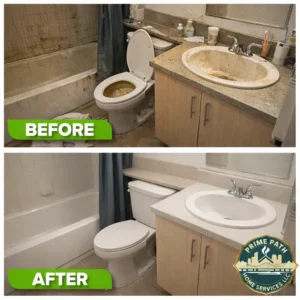
Bathrooms are high-moisture environments that can contribute to mold and mildew if not cleaned thoroughly.
Deep cleaning focuses on:
- Tile and grout scrubbing
- Soap scum removal
- Sanitizing fixtures
- Eliminating moisture buildup
Reducing mold spores significantly improves indoor air quality and prevents musty odors from spreading throughout the home.
Baseboards, Corners & Overlooked Areas
Dust tends to collect in areas that are often ignored during regular cleaning:
- Behind furniture
- Along baseboards
- In corners
- On vents and trim
When disturbed, this dust becomes airborne again. Deep cleaning removes these hidden layers, preventing recirculation of particles.
High-Touch Surfaces and Germ Reduction
High-touch surfaces such as light switches, door handles, cabinet pulls, and remote controls accumulate bacteria quickly.
Deep cleaning includes detailed sanitization of these surfaces, helping reduce the spread of germs and contributing to a healthier living space.
While air quality is influenced by airborne particles, reducing bacteria on surfaces also plays an important role in maintaining overall hygiene.
The Psychological Benefits of Cleaner Air
Cleaner air doesn’t just improve physical health — it impacts mental well-being.
A freshly cleaned home often feels:
- Lighter
- Fresher
- More comfortable
- Less stressful
Eliminating odors and dust creates a more relaxing atmosphere. Many homeowners report better sleep and increased comfort after a thorough deep cleaning.
How Often Should You Schedule Deep Cleaning?
While routine maintenance keeps your home tidy, deep cleaning is recommended:
- 1–2 times per year for general maintenance
- Seasonally (spring and fall)
- Before starting recurring cleaning services
- After renovations
- If allergies are worsening
Homes with pets, children, or high traffic may benefit from more frequent deep cleaning to maintain optimal air quality.
Additional Ways to Improve Indoor Air Quality
Deep cleaning is one of the most effective methods, but combining it with other practices enhances results:
- Regularly replace HVAC filters
- Vacuum carpets frequently
- Use proper ventilation in kitchens and bathrooms
- Reduce indoor humidity
- Keep windows clean
However, professional deep cleaning provides the foundation for long-term cleanliness.
The Long-Term Benefits of Deep Cleaning
Investing in periodic deep cleaning offers lasting advantages:
✔ Reduced allergens and dust
✔ Improved air freshness
✔ Extended lifespan of surfaces and flooring
✔ Healthier indoor environment
✔ Better overall home presentation
Over time, consistent professional cleaning helps maintain a cleaner, safer living space for your family.
Why Professional Deep Cleaning Makes a Difference
While routine cleaning can be done independently, professional services follow structured methods to ensure no area is overlooked.
Experienced cleaning teams:
- Use systematic cleaning checklists
- Focus on detailed scrubbing
- Target buildup and hidden contaminants
- Deliver consistent, thorough results
This level of attention is what truly improves indoor air quality.
Final Thoughts
Indoor air quality directly affects your health, comfort, and overall well-being. While dust and allergens are inevitable, allowing them to accumulate can lead to long-term issues.
Deep cleaning is not just about appearance — it’s about creating a cleaner, healthier environment where you and your family can breathe easier.
By removing hidden dust, sanitizing high-touch surfaces, and eliminating buildup, deep cleaning provides a fresh foundation for your home.
If your space feels dusty, stale, or overdue for a refresh, it may be time to consider a professional deep cleaning service. Cleaner air starts with a cleaner home.